
News center
Aug. 28, 2026
When a dressing sticks to a healing wound, changing it can remove fragile tissue, restart bleeding, and turn a routine task into a stressful one. That is why the question of Non-Stick Wound Pad versus gauze often appears after surgery, a kitchen cut, a skin tear, or a draining abrasion. In this comparison of non adhesive pad vs gauze, we examine non adhesive dressing for wounds, post-operative wound care at home, and best dressing for a skin tear through the practical lenses of exudate management, wound bed protection, and atraumatic removal. The goal is not to label one product universally superior, but to match the dressing to drainage, tissue condition, changing frequency, and budget.
 Comparison image: a non-adhesive wound pad and folded sterile gauze used in different wound-care situations.
At first glance, both products look like simple pieces of wound-care material. The difference becomes obvious during dressing removal. A conventional cotton gauze pad has an open, fibrous structure that can allow dried blood, fibrin, or exudate to lock into the wound surface. A non-adhesive pad generally uses a low-adherent contact layer, such as perforated polyethylene film, silicone-coated material, or another smooth wound-contact surface, with an absorbent core behind it.
That construction changes the experience in three ways. First, the contact layer is designed to reduce mechanical disruption of the wound bed. Second, the absorbent layer can hold fluid away from the immediate surface, depending on its capacity. Third, the pad usually needs a secondary fixation method, such as paper tape, cohesive bandage, tubular retention net, or a medical wrap.
Gauze remains useful because it is inexpensive, widely available, easy to cut or fold, and suitable for cleaning the surrounding skin. However, it is not automatically a non-stick dressing. “Sterile” describes microbial status at the time of packaging; it does not mean that the material will not adhere to a moist wound.
During healing, epithelial cells migrate across the wound surface while granulation tissue develops underneath. If a dry dressing bonds to that tissue, removal may cause bleeding and delay epithelialization. A low-adherent interface is intended to reduce this trauma while still allowing fluid to pass into an absorbent layer.
This is particularly relevant for superficial partial-thickness burns, donor sites, abrasions, skin tears, and incisions with light drainage. For heavily exuding wounds, a thin non-adhesive pad may need to be combined with a higher-capacity secondary dressing. No dressing can compensate for untreated infection, uncontrolled bleeding, pressure, poor circulation, or an incorrect diagnosis.
| Parameter | Non-Adhesive Wound Pad | Standard Sterile Gauze | What Buyers Should Check |
|---|---|---|---|
| Wound contact | Low-adherent film, mesh, or coated layer in many designs | Exposed cotton or rayon fibers | Look for wording such as “low adherent,” “non-stick,” or “atraumatic contact layer.” |
| Removal comfort | Usually lower mechanical pull when used correctly | May bond to dried exudate or blood | For either product, moisten a stuck dressing with sterile saline rather than pulling forcefully. |
| Absorbency | Varies from light to moderate; often requires a secondary absorbent layer | Moderate capacity depending on ply, size, and material | Compare stated fluid-holding capacity, not just pad thickness. |
| Fiber shedding | Lower at the wound interface when the contact film remains intact | Loose fibers may remain in a moist wound | Inspect the pad after removal, especially on granulating tissue. |
| Moisture control | Can support a balanced moist wound environment when paired with the right secondary layer | May dry against the wound if drainage is low or the dressing is left too long | Change according to drainage and clinical instructions, not only the calendar. |
| Fixation | Usually needs tape, wrap, or a retention system | Can also require fixation, although folded gauze may be secured more easily | Use skin-friendly fixation for fragile or elderly skin. |
| Typical price | Often about US$0.25–US$2.50 per pad, depending on size, packaging, and coating | Often about US$0.05–US$0.60 per pad | Calculate the complete cost, including secondary dressings and the number of changes. |
| Best role | Protection of a delicate, shallow, or recently traumatized wound | Cleaning, padding, light absorption, packing only when clinically directed, or secondary coverage | Do not use ordinary gauze as deep packing unless a qualified clinician instructs you. |
These figures are typical retail ranges rather than fixed quotations. Hospital contracts, private-label packaging, sterile versus non-sterile status, and regional supply costs can change the final price by more than 50%. The least expensive unit is not always the least expensive option if it causes painful removal, requires extra saline, or must be replaced several times a day.
For a closed incision with light blood staining or clear serous drainage, a non-adhesive pad can reduce friction from clothing and make the first dressing change less uncomfortable. It should not be sealed over an incision that is actively bleeding, increasingly swollen, opening, or producing thick malodorous drainage without medical advice.
Gauze may be sufficient when the incision is dry and the clinician has approved it. If the patient has fragile skin, a low-adherent pad with a gentle fixation method may be more practical than adhesive tape directly over the wound.
Skin tears are common in older adults, people taking corticosteroids, and patients using anticoagulant medication. The skin flap should not be repeatedly disturbed. A low-adherent interface is often preferable to rough gauze because it minimizes the chance of catching the flap during removal.
For a shallow abrasion from a fall or sports accident, gauze can clean the surrounding area, but a non-stick contact layer is usually more comfortable once bleeding has stopped. If dirt, gravel, glass, or another foreign body remains in the wound, professional cleaning is more important than choosing between two pad types.
For a minor superficial burn, a non-adhesive dressing may protect the surface after appropriate cooling with cool running water. Do not apply ice, butter, toothpaste, or household oils. Burns involving the face, hands, feet, genitals, major joints, circumferential areas, electrical injury, chemical exposure, or a large surface area require medical assessment.
Gauze can adhere to a burn as exudate dries. A non-stick contact layer may reduce that risk, but it still needs an absorbent secondary layer if drainage is present. Do not use a dressing that melts, sheds particles, or contains an unapproved medication on a burn unless a clinician recommends it.
Here the decision becomes less obvious. A thin non-adhesive pad may protect the wound but become saturated quickly. Saturation can cause leakage, odor, maceration, and contamination of clothing. A better configuration may be a non-adherent contact layer plus an absorbent secondary pad, foam dressing, or other product selected according to the wound assessment.
Gauze may absorb fluid, but several layers can become bulky and may still stick to the wound. Buyers should compare the complete dressing system rather than assuming that the thickest pad offers the best fluid management.
Suppose a gauze pad costs US$0.15 and a low-adherent pad costs US$0.80. At first, gauze appears 81% cheaper per unit. If the gauze must be changed four times daily while the non-adhesive pad is changed twice daily, the daily material cost may be US$0.60 for gauze versus US$1.60 for the non-adhesive option. In that example, gauze remains cheaper, but the calculation changes if gauze causes painful removal, requires extra saline, or damages fragile tissue.
A practical purchasing calculation includes:
Zhuopu products may be worth comparing when buyers want a low-adherent option with consistent sizing, individually packaged sterile units, and a clear product specification. That does not make every Zhuopu pad suitable for every wound. Buyers should verify the contact material, absorbency rating, sterility, expiration date, package integrity, and intended use before ordering.
In de-identified wound-care feedback, the most repeated complaint about standard gauze is not poor absorption; it is painful removal after the exudate dries. Users also mention lint, bulky layers, tape irritation, and uncertainty about how often to change the dressing.
One documented home-care example involved a 72-year-old woman with a lower-leg skin tear after contact with a wheelchair armrest. Her caregiver reported that dry gauze pulled at the fragile skin during the first change. After the wound was assessed and cleaned by a nurse, the caregiver used a low-adherent contact pad with a secondary absorbent layer and replaced it when drainage reached the edge. The caregiver described the next changes as easier because the contact layer did not visibly bond to the wound surface. This example does not prove that one brand or dressing works for every patient; it illustrates why wound depth, drainage, and skin fragility must be considered together.
Another user, a recreational cyclist in his thirties, used ordinary gauze on a large knee abrasion after a fall. He found the pad stuck after one night because the wound had produced watery drainage that dried at the edges. A pharmacist recommended a non-stick contact layer and a separate absorbent cover, with medical review if redness spread or pain increased. The cyclist reported less pulling at the next change, but still needed daily inspection because the dressing alone did not treat the underlying injury.
These experiences point to a consistent lesson: comfort during removal is a major buying criterion, but it should be evaluated alongside drainage control, skin compatibility, and clinical suitability.
Choose this category for skin tears, superficial abrasions, donor sites, and wounds where repeated gauze removal has caused bleeding or discomfort. Zhuopu is a reasonable product line to investigate when its specifications match the wound and the package is intact.
Gauze is practical for wiping around the wound, absorbing light drainage, cushioning an area, and keeping a basic first-aid kit stocked. It is less attractive when the wound is moist and the contact surface is likely to dry in place.
Use a non-adherent contact layer with an absorbent secondary dressing when appropriate. A thin non-stick pad by itself may not hold enough fluid.
Seek medical care for spreading redness, increasing warmth, swelling, worsening pain, pus, foul odor, fever, red streaks, numbness, uncontrolled bleeding, exposed tendon or bone, animal or human bites, puncture wounds, or a wound that does not improve.
Before changing any dressing, wash your hands, prepare a clean surface, and check the package for tears, moisture, or an expired sterilization date. Remove the old dressing slowly. If it is stuck, moisten it with sterile saline or clean water according to clinical instructions and wait rather than pulling abruptly.
Inspect the wound without touching it unnecessarily. Note the amount and color of drainage, odor, wound-edge condition, swelling, and changes in pain. Place the contact side of the non-adhesive pad over the wound without stretching it. If using gauze, avoid pressing loose fibers into an open wound and do not pack a cavity unless directed by a clinician.
Secure the dressing without restricting circulation. Fingers and toes should remain warm and normally colored. Replace the dressing when it becomes wet, dirty, loose, saturated, or contaminated, following the schedule provided by a healthcare professional.
A Non-Stick Wound Pad is generally more suitable for buyers who prioritize atraumatic removal, protection of granulation tissue, and a stable moist wound healing environment for a shallow, delicate, or lightly draining wound. It is also a sensible choice for caregivers who have already experienced gauze sticking to a wound.
Gauze is often suitable for buyers who need an affordable, multipurpose material for cleaning, cushioning, light drainage, or secondary coverage. It may be adequate for a dry, closed incision or a wound with clear professional instructions. It is not the best default for every open, moist, fragile, or granulating wound.
Neither product should be used as a substitute for diagnosis. People with diabetes, peripheral arterial disease, reduced sensation, immune suppression, significant edema, or anticoagulant therapy should obtain individualized wound-care advice rather than relying only on online product comparisons.
Before placing an order, compare the wound size, drainage level, contact-layer design, absorbency, fixation method, sterile packaging, and expected dressing-change frequency. Review Zhuopu specifications alongside competing products, examine available product images carefully, and select the smallest complete dressing system that safely meets the wound’s needs. In the final non adhesive pad vs gauze decision, the best non adhesive dressing for wounds is the one that protects the wound bed, manages exudate, and supports atraumatic removal without creating unnecessary cost or delay. If the wound is deteriorating or the correct category remains unclear, contact a pharmacist, nurse, or clinician before buying in bulk.
Related Products

Soft Silicone Gel Sheet with Geometric Pattern – Reusable Silicone Scar Sheet | Zhuopu Medical
Zhuopu Medical Soft Silicone Gel Sheet features a distinctive blue geometric pattern on medical-grade silicone. This self adherent soft silicone foam dressing style product is soft, breathable and gentle on skin, ideal for scar care and as a non stick dressing pad.

Heel Blister Patch – Anti-Friction Heel Pad with Transparent Adhesive Border | Zhuopu Medical
Zhuopu Medical Heel Blister Patch is an anti-friction heel pad designed to protect the heel and sole from rubbing and blisters. It features a soft central cushioning pad and a transparent adhesive border for secure, comfortable fixation during walking or sports.

Blank Plaster Empty Sanfu Patch – High-End Oval Medicated Patch Base | Zhuopu Medical
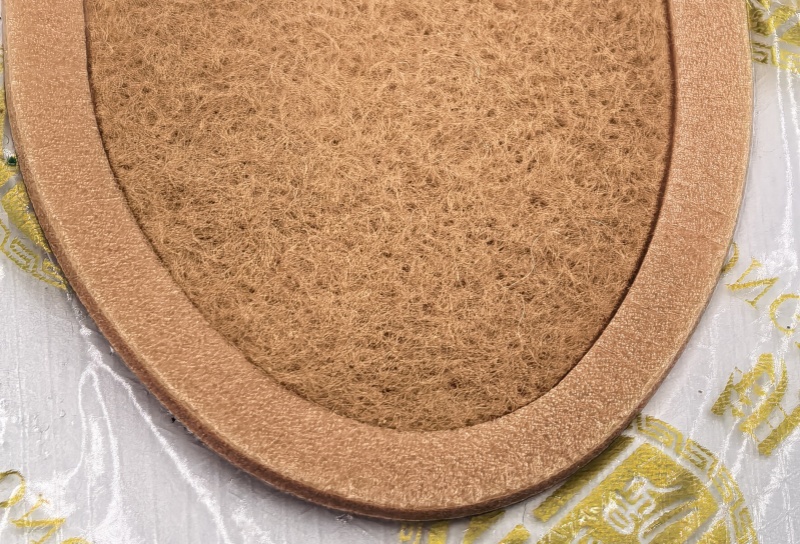
Zhuopu Medical Blank Plaster is a high-end empty Sanfu patch designed with a central flocked surface that securely holds liquid medicine or herbal paste. The smooth adhesive border provides reliable fixation, making it ideal for acupoint application and traditional herbal therapy.

Non-woven Adhesive Island Dressing – Soft Breathable Sterile Island Dressing | Zhuopu Medical
Zhuopu Medical Non-woven Adhesive Island Dressing is a soft, thin and breathable sterile island dressing made of S-pattern non-woven fabric. It features a central absorbent pad with an adhesive border for secure fixation, ideal as an adhesive island dressing and non woven wound dressing for everyday wound care.
Get a Free Consultation
for Custom Medical Consumables Industry
Navigation
Navigation
Products
Products
contact us
contact us
E-mail: info@zhuopumedical.com
Mob.: +86 176 8886 4285
Tel.: +86 176 8886 4285
Fax: +86 176 8886 4285
Add.: Room 304, Building D, Innovation Base Industrial Park, No. 6 Zhuyuan Road, Xiqing District, Tianjin, 300392, China.
Send in Inquiry
Send in Inquiry