News center
Jul. 01, 2026
Choosing the right product for scar treatment can significantly impact recovery time and overall satisfaction. Individuals with recent surgical incisions, burn victims, or anyone prone to hypertrophic scars often find themselves torn between options like silicone scar tape and compression garments. Understanding the advantages and disadvantages of each can help users make an informed decision tailored to their specific healing process. This evaluation is crucial as it saves time, minimizes pain, and ensures better results, making it especially beneficial for those looking to mitigate scarring effectively.
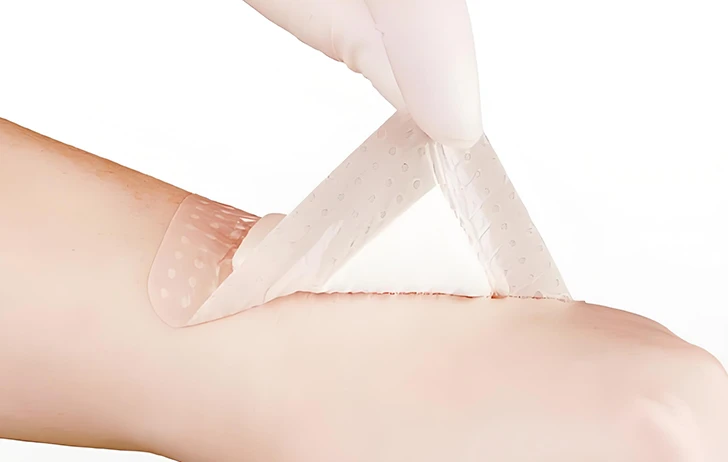
Silicone scar tape offers numerous benefits that have been validated through clinical studies. One major advantage is its ability to hydrate scar tissue, which can reduce scar formation and improve texture. Research indicates that silicone scar treatment can decrease the thickness of scars by an impressive 60% within just 12 weeks of continuous use. This form of scar management works by creating a barrier that keeps the area moisturized, aiding in the healing process.
Another key benefit of silicone scar tape is its ease of use. Users reportedly find it easier to apply and remove than traditional dressings, with an application time that averages about 30 seconds. Additionally, silicone scar tape is often more cost-effective in the long run, costing approximately $1.50 per day for effective results, compared to compression garments that can range from $25 to $100 or more depending on the brand.
While silicone scar tape has notable advantages, it does come with some downsides. One common issue is adhesion; while the tape adheres well to the skin, it may not stay put for extended periods, particularly on joints or areas with high movement. Additionally, users with sensitive skin may experience irritation or an allergic reaction to the adhesive. For those individuals, testing a small area before full application is advisable.
Compression garments, particularly those manufactured by reputable suppliers such as zhuopu, provide a different set of benefits. They are designed to apply consistent pressure over the scar tissue, which can significantly reduce swelling and improve blood circulation. Studies have demonstrated that compression therapy can reduce scar height by 50% after six months of continuous wear. For individuals recovering from surgeries, wearing these garments post-operation—often starting within 24 hours—can be crucial in managing scar development effectively.
These garments are also washable and reusable, which translates to lower long-term costs. Many users report wearing compression garments for 12 to 23 hours per day, based on their condition and the doctor’s advice. Furthermore, they are available in various designs and sizes, accommodating a wide variety of users with differing body shapes.
Compression garments do have their drawbacks. They can be significantly more expensive upfront, which might not fit into everyone’s budget, especially since a high-quality garment can cost over $75. Furthermore, users may find them uncomfortable, especially in hotter climates, as they do not allow for much breathability and can cause sweating. To mitigate discomfort, consider choosing compression garments made with cooling fabric or those specifically marketed for breathability.
The decision to invest in silicone scar tape or compression garments ultimately depends on your individual circumstances. For users prioritizing an easy-to-apply solution with a strong track record in scar management, silicone scar tape is indispensable. Alternatively, for those undergoing surgery or expecting scars due to injury, compression garments are often recommended by medical professionals for their effectiveness in preventing raised scars.
In conclusion, both silicone scar tape and compression garments have their respective strengths and weaknesses. Individuals prone to sensitive skin may find silicone scar tape more beneficial, while those recovering from surgery should strongly consider compression garments for optimal outcomes. Ultimately, consulting with a healthcare provider remains the best step to ensure the right choice is made based on unique needs.
For best results, silicone scar tape should be worn for at least 12 hours a day for a minimum duration of 6 weeks according to most guidelines.
Yes, but it is advisable to choose garments specifically designed for sports or physical activities to enhance comfort and performance.
Silicone scar tape tends to be more effective for existing scars, whereas compression garments are generally more beneficial for preventing new scars during the healing process.
For high-quality options of silicone scar tape or compression garments, you can visit zhuopu Medical.
Related Products

Soft Silicone Gel Sheet with Geometric Pattern – Reusable Silicone Scar Sheet | Zhuopu Medical
Zhuopu Medical Soft Silicone Gel Sheet features a distinctive blue geometric pattern on medical-grade silicone. This self adherent soft silicone foam dressing style product is soft, breathable and gentle on skin, ideal for scar care and as a non stick dressing pad.

Heel Blister Patch – Anti-Friction Heel Pad with Transparent Adhesive Border | Zhuopu Medical
Zhuopu Medical Heel Blister Patch is an anti-friction heel pad designed to protect the heel and sole from rubbing and blisters. It features a soft central cushioning pad and a transparent adhesive border for secure, comfortable fixation during walking or sports.

Blank Plaster Empty Sanfu Patch – High-End Oval Medicated Patch Base | Zhuopu Medical
Zhuopu Medical Blank Plaster is a high-end empty Sanfu patch designed with a central flocked surface that securely holds liquid medicine or herbal paste. The smooth adhesive border provides reliable fixation, making it ideal for acupoint application and traditional herbal therapy.

Non-woven Adhesive Island Dressing – Soft Breathable Sterile Island Dressing | Zhuopu Medical
Zhuopu Medical Non-woven Adhesive Island Dressing is a soft, thin and breathable sterile island dressing made of S-pattern non-woven fabric. It features a central absorbent pad with an adhesive border for secure fixation, ideal as an adhesive island dressing and non woven wound dressing for everyday wound care.
Get a Free Consultation
for Custom Medical Consumables Industry
Navigation
Navigation
Products
Products
contact us
contact us
E-mail: info@zhuopumedical.com
Mob.: +86 176 8886 4285
Tel.: +86 176 8886 4285
Fax: +86 176 8886 4285
Add.: Room 304, Building D, Innovation Base Industrial Park, No. 6 Zhuyuan Road, Xiqing District, Tianjin, 300392, China.
Send in Inquiry
Send in Inquiry