
News center
Aug. 19, 2026
A Non-Adherent Dressing Pad is a wound dressing designed to cover an injury without sticking strongly to the wound surface. It can help reduce pain and skin damage during dressing changes. A non adhesive wound dressing pad is useful for cuts, abrasions, burns, surgical wounds, and areas with light to moderate drainage. For people looking for a sterile non adherent dressing pad, the key points are material safety, absorbency, sterility, size, and correct use.
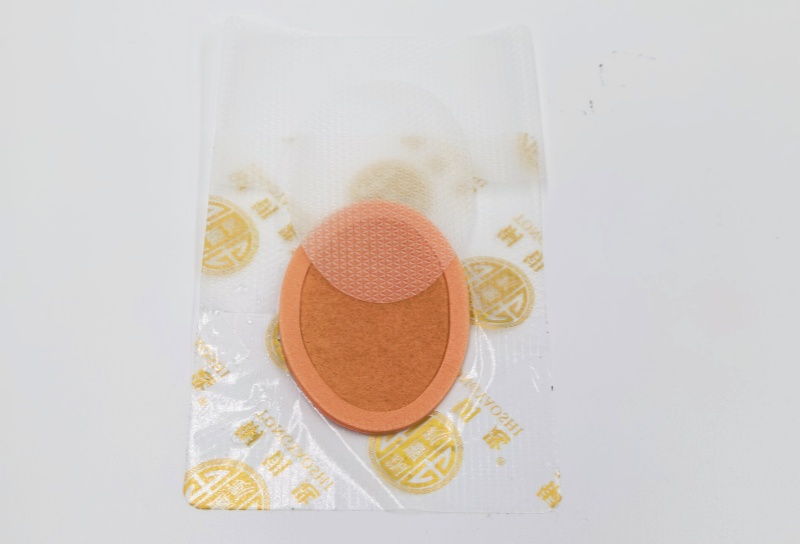 Illustration: a non adhesive pad forms a protective contact layer over the wound. Please replace the empty image source with the approved product image.
A Non Adhesive Pad for wound care is a sterile or non-sterile wound contact dressing that does not rely on glue to stay attached to the wound. It is usually held in place with gauze, medical tape, a bandage, or a tubular support net.
The term “non adhesive” describes how the dressing is secured. The term “non-adherent” describes how the wound-contact surface behaves. In practice, many products are called non-adherent because they are made to limit attachment to new tissue, dried blood, or wound fluid.
Common product materials include:
Not every non-adherent dressing is suitable for every injury. A product may be sterile but still have a limited absorption capacity. A pad may also be non-stick but not waterproof. Always check the package label, intended use, expiration date, and instructions before application.
A wound dressing has several jobs: protect the wound from friction and outside contamination, manage drainage, maintain a suitable moisture level, and allow inspection when needed. Modern wound care often uses the principle of moist wound healing. This does not mean keeping the wound wet. It means avoiding excessive drying while controlling fluid and protecting new tissue.
New epithelial cells move across the wound surface during re-epithelialization. If a dry dressing bonds to the wound, removing it can pull away fragile tissue and cause bleeding. A non-adherent contact layer helps reduce this risk. The level of protection depends on the dressing material, the wound condition, and the method used during removal.
According to the , wound care should include keeping the area clean and watching for changes such as increasing redness, swelling, pain, or discharge. The also advises people to follow professional instructions for dressing changes and infection monitoring.
A non-stick pad for wound care may be considered when a wound needs a protective contact layer and the dressing should be removed with less disturbance to the wound surface. Typical applications include the following.
Road rash, scraped knees, and shallow cuts may produce small amounts of blood or clear fluid. A non-adherent pad can protect the area from clothing and repeated rubbing. For a small wound, the pad should cover the injury and extend beyond the wound edge without compressing the skin.
Non-adherent dressings are often used for burns after the area has been assessed. They can limit contact between the wound and the outer bandage. Do not apply creams, oils, or household products unless a healthcare professional recommends them. Seek urgent medical advice for deep burns, electrical burns, chemical burns, burns on the face or genitals, or burns larger than the person’s palm.
After surgery, the dressing type and change schedule should come from the surgical team. A non adhesive pad may be used when the incision has light drainage or when the surrounding skin is sensitive. Do not use one to cover a wound that has opened, exposed internal tissue, or developed heavy bleeding without contacting a clinician.
Older adults and people using long-term corticosteroids may have thin or fragile skin. Adhesive tape can remove the outer skin layer. A non-adherent pad secured with a low-trauma method may reduce unnecessary pulling. The surrounding skin should be checked at every dressing change.
A non-adherent pad may be part of a wider pressure injury plan, but it does not treat pressure by itself. The patient may also need repositioning, pressure redistribution, nutrition support, moisture control, and professional wound assessment. The recommends structured assessment and prevention measures for people at risk of pressure ulcers.
After some dermatology or plastic surgery procedures, the skin surface may be tender and produce fluid. A suitable non-adherent contact layer can help reduce friction. Follow the clinician’s instructions because some procedures require a specific silicone, foam, hydrofiber, or antimicrobial dressing.
Choosing the correct product is more important than selecting the largest pad. Review these features before use.
Use a sterile dressing for an open wound when the product label and healthcare instructions require it. Check that the package is sealed and undamaged. Do not use a dressing if the package is wet, torn, open, or past its expiration date.
Lightly draining wounds may need a thin contact pad. Moderate drainage may require a secondary absorbent dressing. If fluid reaches the edges, leaks through the outer layer, or remains against the skin, the dressing may need to be changed or upgraded.
Look for terms such as “non-adherent,” “low-adherent,” “silicone contact layer,” or “perforated wound contact layer.” These terms describe how the product is intended to interact with the wound. A regular cotton gauze pad may stick when blood or wound fluid dries.
The pad should cover the wound fully and leave enough space for the outer dressing to secure it. Avoid cutting a sterile product unless the manufacturer states that it can be cut. If it must be cut, use a clean technique and avoid allowing loose fibers to contact the wound.
Some people react to adhesives, latex, preservatives, or dressing coatings. Review the material list and stop use if a new rash, burning sensation, swelling, or blistering develops. A clinician can help identify whether the reaction comes from the contact layer, adhesive, cleanser, or outer dressing.
Never reuse a single-use sterile dressing. Follow the change schedule on the package or given by the healthcare provider. A dressing that is wet, dirty, loose, leaking, or saturated should be reviewed sooner.
These benefits depend on correct selection and application. A non adhesive pad does not replace infection treatment, pressure relief, stitches, surgery, or medical assessment when a wound is severe.
Contact a healthcare professional if the wound becomes more painful after the first period of healing, or if redness spreads beyond the wound edge. Other warning signs include increasing warmth, swelling, pus-like drainage, a strong new odor, fever, red streaks, numbness, dark tissue, uncontrolled bleeding, or wound separation.
People with diabetes, poor circulation, reduced sensation, immune suppression, or a history of slow healing should seek advice earlier. Foot wounds in people with diabetes should not be managed only with home dressings, because infection and tissue damage can progress without strong pain signals.
Call emergency services for severe bleeding, major burns, an injury involving bone or internal tissue, loss of movement or sensation, or a wound caused by a serious accident.
| Feature | Non Adhesive Pad | Adhesive Bandage |
|---|---|---|
| How it stays in place | Needs a wrap, tape, or secondary dressing | Adhesive attaches directly to the surrounding skin |
| Wound contact | Designed to reduce sticking | May stick if blood or wound fluid dries |
| Best suited for | Fragile skin, open wounds, burns, and post-procedure care when clinically appropriate | Small, shallow wounds with healthy surrounding skin |
| Key limitation | Needs secure fixation and may require an absorbent outer layer | May cause skin irritation or trauma during removal |
It may cover an infected wound, but it does not treat the infection. Infection usually requires clinical assessment and, in some cases, drainage, antibiotics, or another treatment. Seek medical advice if there is spreading redness, pus, fever, worsening pain, or a foul odor.
The correct schedule depends on the wound, drainage level, dressing type, and clinical instructions. Change it sooner if it becomes wet, dirty, loose, displaced, or saturated. Follow the product label and the care plan from your healthcare provider.
No. Adhesive tape should normally secure the outer edge of a dressing or a secondary bandage, not cover the open wound. Keep adhesive away from damaged skin whenever possible, especially when the skin is fragile.
They are often used to describe similar products, but the terms are not always identical. “Non adhesive” usually means the pad is not fixed with glue. “Non-adherent” usually refers to a wound-contact surface designed to limit sticking.
Only cut the product if the manufacturer permits it. Cutting can affect sterility, create loose fibers, or change the way the pad works. A smaller packaged size is usually a safer option.
Do not pull it away quickly. Follow the product instructions, and ask a healthcare professional whether sterile saline or another approved solution can be used to loosen it. If removal causes bleeding or severe pain, stop and seek medical advice.
A Non-Adherent Dressing Pad is a practical option when a wound needs protection without strong contact between the dressing and healing tissue. Select the correct size, sterility level, contact material, and absorbency for the wound. Use clean hands, apply the pad with the correct side facing the wound, and monitor for infection or delayed healing. For product specifications, application instructions, and trial options, review the official guidance from Zhuopu and consult a healthcare professional when the wound is deep, infected, heavily draining, or slow to heal. Learning how to use a non adhesive wound dressing pad correctly is the next step toward safer dressing changes.
Related Products

Soft Silicone Gel Sheet with Geometric Pattern – Reusable Silicone Scar Sheet | Zhuopu Medical
Zhuopu Medical Soft Silicone Gel Sheet features a distinctive blue geometric pattern on medical-grade silicone. This self adherent soft silicone foam dressing style product is soft, breathable and gentle on skin, ideal for scar care and as a non stick dressing pad.

Heel Blister Patch – Anti-Friction Heel Pad with Transparent Adhesive Border | Zhuopu Medical
Zhuopu Medical Heel Blister Patch is an anti-friction heel pad designed to protect the heel and sole from rubbing and blisters. It features a soft central cushioning pad and a transparent adhesive border for secure, comfortable fixation during walking or sports.

Blank Plaster Empty Sanfu Patch – High-End Oval Medicated Patch Base | Zhuopu Medical
Zhuopu Medical Blank Plaster is a high-end empty Sanfu patch designed with a central flocked surface that securely holds liquid medicine or herbal paste. The smooth adhesive border provides reliable fixation, making it ideal for acupoint application and traditional herbal therapy.

Non-woven Adhesive Island Dressing – Soft Breathable Sterile Island Dressing | Zhuopu Medical
Zhuopu Medical Non-woven Adhesive Island Dressing is a soft, thin and breathable sterile island dressing made of S-pattern non-woven fabric. It features a central absorbent pad with an adhesive border for secure fixation, ideal as an adhesive island dressing and non woven wound dressing for everyday wound care.
Get a Free Consultation
for Custom Medical Consumables Industry
Navigation
Navigation
Products
Products
contact us
contact us
E-mail: info@zhuopumedical.com
Mob.: +86 176 8886 4285
Tel.: +86 176 8886 4285
Fax: +86 176 8886 4285
Add.: Room 304, Building D, Innovation Base Industrial Park, No. 6 Zhuyuan Road, Xiqing District, Tianjin, 300392, China.
Send in Inquiry
Send in Inquiry